

contact@govacons.com.vn

0938 727 179



In industrial projects, delays rarely come from one single cause. They often come from a chain of misalignment: legal procedures move at one pace, design at another, fire safety and environmental requirements at another, while the construction site eventually absorbs what was missed. The real question is not only “which contractor should we choose?”, but “who is responsible for coordinating the full flow from legal compliance to design and construction before schedule is lost week by week?”.
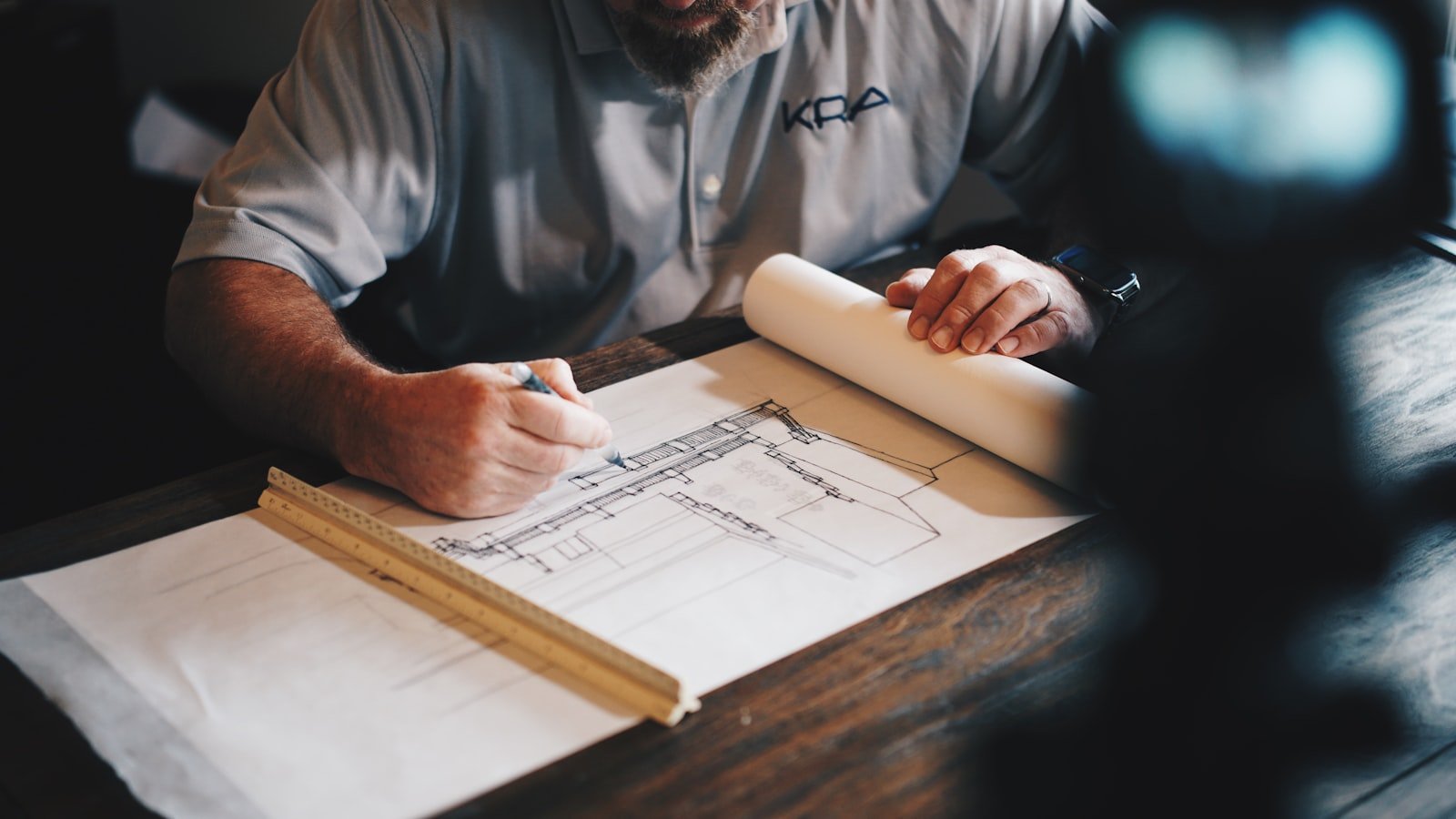
The idea of a legal – design – construction main contractor should not be understood simply as one company doing everything. That assumption creates two risks: the investor may expect to hand over everything and stop managing, or may worry that one point of contact reduces transparency. Neither view is accurate.
An integrated point of responsibility creates value when it reduces the gaps between workstreams. For factories, warehouses, auxiliary buildings and technical infrastructure, those gaps usually sit between construction legal procedures, technical design, fire safety approval, environmental compliance, cost planning, schedule control and site execution. Each workstream looks separate on paper, but in real projects they are tightly connected.
The schedule is not lost only because one approval is slow or one drawing needs revision. It is lost when related decisions are made in the wrong order. A layout may be approved internally and later revised because fire truck access is not sufficient. A production flow may be fixed with the end customer and then changed because wastewater treatment or utility space is missing. A construction price may look competitive but later create variation claims because the design was not ready for execution. These issues are often invisible in the first quotation, but they become very visible in the factory handover date.
When a project is delayed, the first reaction is usually to look at the construction site: are there enough workers, are materials arriving on time, is the contractor organizing the site properly? These factors matter, but many industrial projects are already behind before machinery reaches the site. Legal conditions may not be clear, the site plan may not be frozen, design may keep changing, fire safety may require adjustments, environmental capacity may not match the production plan, or the investor may not have enough information to make timely decisions.
The problem is that these delays rarely appear as one major mistake. They begin with small sentences: “we can add this later”, “let us use this temporary layout first”, “fire safety should not affect much”, “environmental matters can be handled closer to operation”, “the site team can solve it”. When those small assumptions accumulate, the project loses rhythm.
In an industrial project, schedule is not only a construction timeline. It is the synchronization of legal readiness, design maturity, specialist approvals, construction capability and investor decisions. If each workstream is managed separately, one part can be ready while another part blocks the next step.
A common example is an investor that already has land or a long-term factory lease, has signed an initial agreement with an end customer, and must increase capacity quickly. Sales teams look at shipment dates; production teams look at machine installation dates; the construction team looks at the groundbreaking date; legal teams look at submission status. Without one integrated schedule, each team may be correct within its own scope, while the overall project is still late.
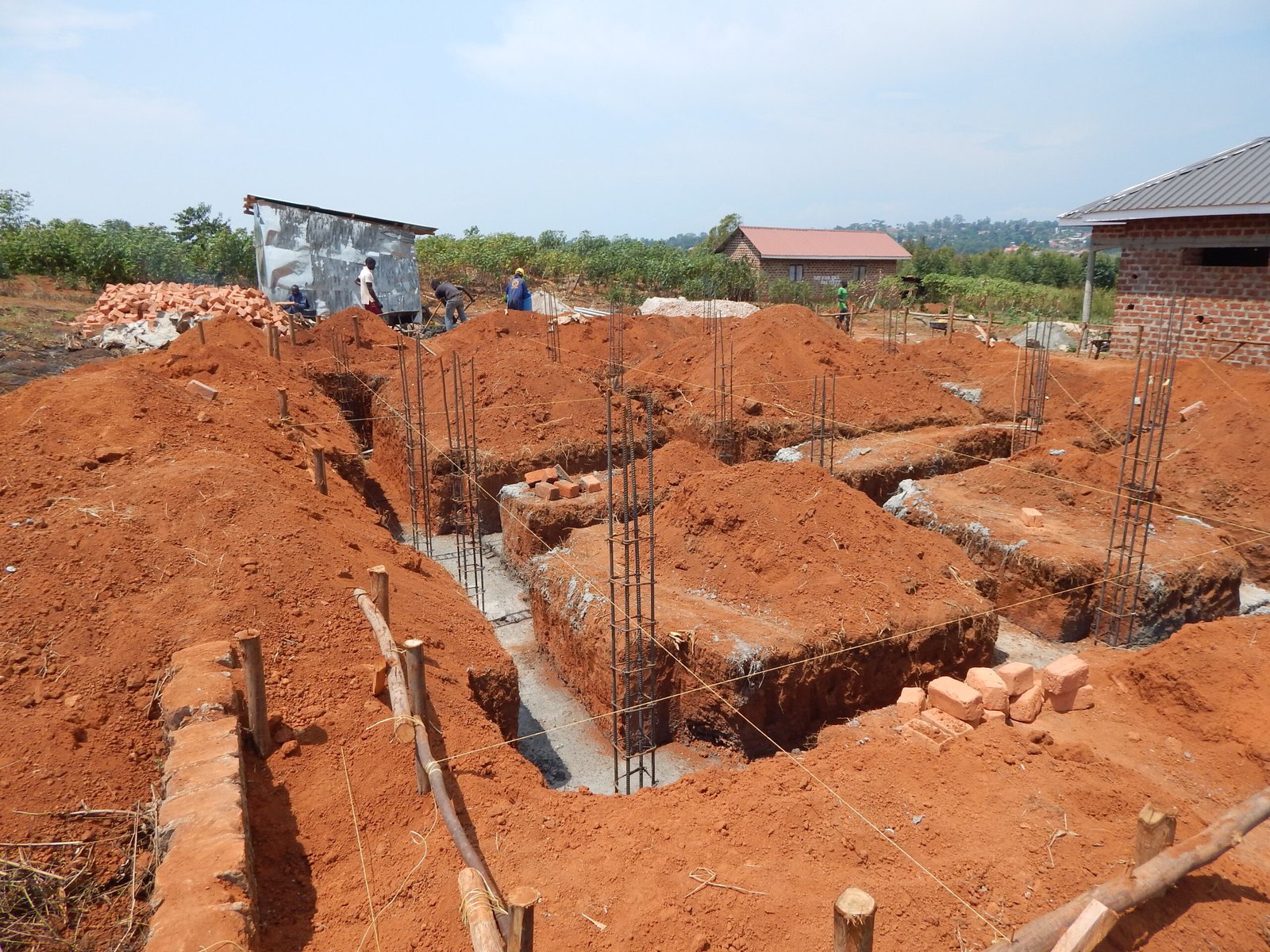
When legal procedures, design, fire safety, environment and construction are assigned to separate parties, time is often lost not inside each core task but at the interfaces. It is the time waiting for one party to respond to another, the time needed to explain the same data again, the time spent revising drawings because specialist requirements were not included early, and the time the investor spends in meetings just to make everyone work from the same version of information.
On a project schedule, each waiting loop may look like only a few days. In real industrial projects, one waiting loop often triggers several others. An architectural change may require structural, MEP, fire safety, drainage, environmental, cost and construction method reviews. A change in production capacity may affect electrical load, water supply, wastewater, ventilation, storage, internal traffic and environmental requirements. If these changes are not managed as a chain, the delay may not be three days; it may become three weeks.
The second disadvantage is that the real delay becomes difficult to see. The designer says the drawings were issued. The fire safety consultant says they are waiting for the updated version. The contractor says the information is not sufficient for construction. Procurement says quantities cannot be frozen. The investor’s internal project manager has to connect all parties through emails, calls and separate meetings. The project does not stop completely, but it moves with too much friction.
The third disadvantage is late decision-making. Many technical issues are not hard if they are discovered during concept or basic design. But if they are discovered after materials have been ordered, foundations have been poured, steel has been fabricated, or machine installation has been scheduled, the same issue becomes expensive. At that point, time is not only technical time. It becomes business time: late factory handover, late machine installation, late testing, late production and potentially late customer delivery.
A separated procurement model is not wrong in every case. For simple projects, where the investor has a strong internal project team, the scope is clear, and all parties are used to working together, separating packages can help cost control and competition. But for industrial projects with many legal and technical conditions, separation creates risk when no one is capable of coordinating the whole picture.
For example, the legal consultant may prepare documents based on initial project data, but if function, area or capacity changes, the documents must be reviewed again. The designer may optimize layout, but if fire safety requirements, escape routes, fire water supply or risk zoning are not checked early, the drawings may need major revision. The construction contractor may receive drawings and start planning, but if the documents are inconsistent, the site becomes the latest and most expensive place to discover problems.
The dangerous part is that no single party sees the whole picture. Each party may complete its own scope correctly, but the project can still be misaligned. When a problem appears, the answer is often: “that is not within our scope”. Contractually, it may be true. For the investor, however, the project is still delayed.
On site, disconnection also creates rework cost. A technical pipe may pass through an area that needs clear height. An emergency exit may conflict with the production flow. A utility room may not have enough maintenance space. A foundation may need reinforcement because machine load is finalized late. These are not always caused by one party’s lack of competence. Many times, they are coordination failures.
Consider a manufacturer that receives a large order from a new customer. The commercial opportunity is attractive, but the customer requires increased production capacity within a few months. The investor must expand the factory, add storage, install a new line and begin operation before the delivery milestone. On paper, the challenge looks like “build faster”. In reality, it is a legal – design – construction coordination problem under business pressure.
If the investor separates the work packages, the sequence often looks like this: the internal team hires a designer first to get a layout quickly; at the same time, they ask a legal consultant about permits; later they send drawings to a fire safety consultant; environmental matters are checked after production capacity is almost fixed; the contractor is invited to price the job while drawings are still changing. Each step seems reasonable because everyone wants to save time. But parallel work without coordination can make the project slower.
The first risk is a false start date. The investor sees a preliminary drawing and a preliminary quotation and assumes construction can start within weeks. But if legal, fire safety or environmental conditions are not ready, that date is only a desired date. Once a desired date is used as a commitment to the end customer, every delay becomes a commercial problem.
The second risk is optimizing in the wrong order. Production wants the shortest operational flow. Design wants efficient area. Construction wants buildability. Fire safety focuses on escape, access and systems. Environment focuses on capacity, discharge, treatment area, storage and operating process. Without one coordinating point, the selected solution may be optimal for one team but create problems for another.
The third risk is missing the real critical path. In this scenario, the item controlling the schedule may not be steel erection. It may be freezing production capacity, locking the layout, completing specialist documents, ordering long-lead equipment, or preparing acceptance conditions. An integrated main contractor cannot make legal time disappear, but can help the investor see what must be decided now, what can run in parallel, what cannot be done early, and what will drag the entire project if delayed.
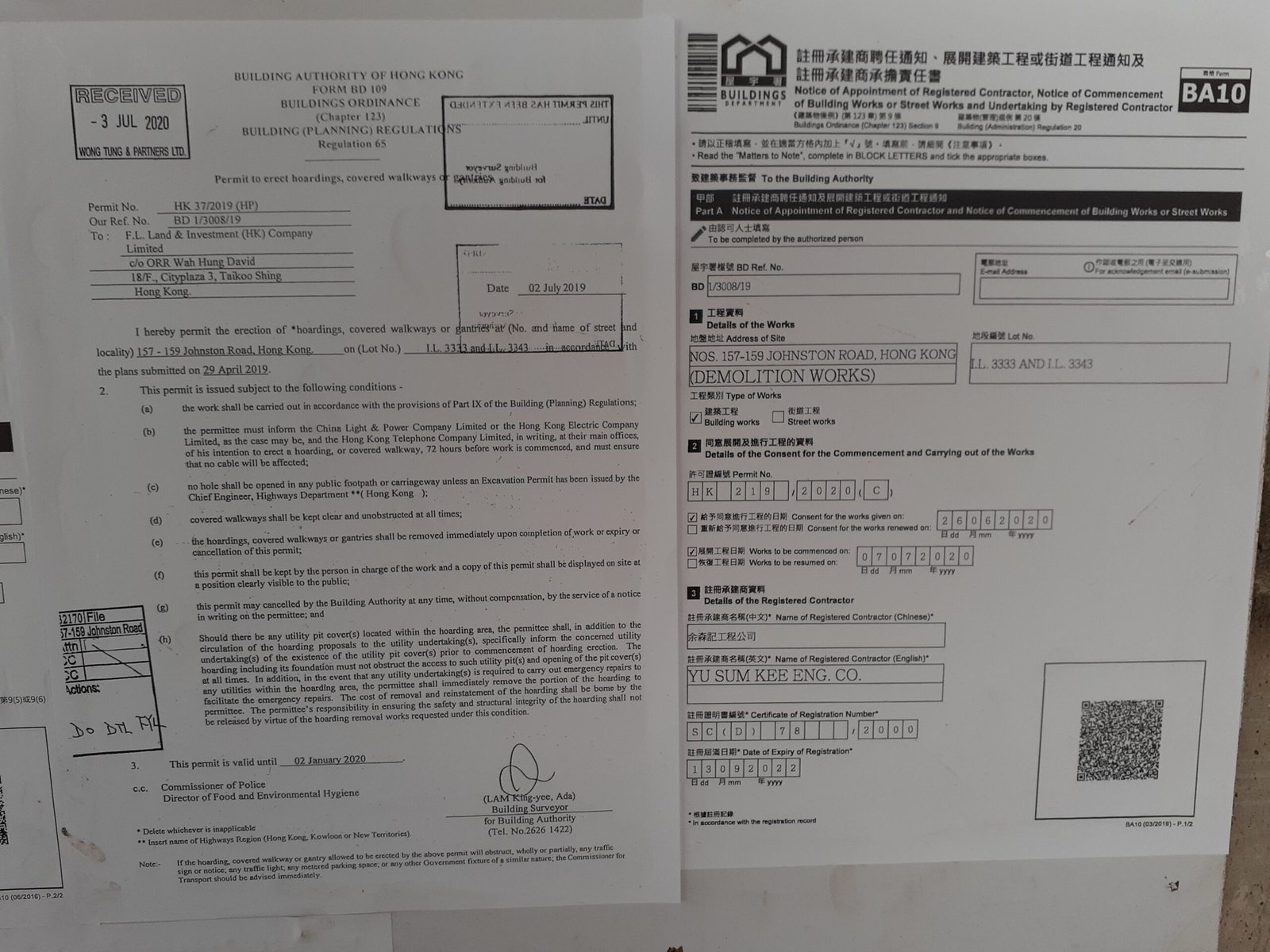
A good point of responsibility does not necessarily perform 100% of all tasks internally. The important point is that one party is responsible for organizing information flow, checking conflicts between workstreams, warning risks early and keeping legal, design and construction decisions under one logic. This is the difference between “doing everything” and “managing integration”.
If a company accepts all scopes but lacks interface management capability, the risk remains. Conversely, an integrated contractor may use specialist consultants where needed, but must know how to define requirements, review outputs, connect results back into design and protect the construction schedule. Investors should look at coordination capability, not only the service list.
The value is visible in very specific questions: does this design change affect the construction permit? Does this fire safety solution require more technical space? How much operating space does the environmental treatment system need? If the construction method changes, will completion or acceptance documents be affected? A strong coordinating party brings these questions forward early.
This also helps the investor maintain control. One point of responsibility does not mean losing control. If the contract and process are well set up, the investor can require one master schedule, one document list, one responsibility matrix, one change approval process, one risk reporting mechanism and one party responsible for updating everyone. The issue is not “handing everything over”; it is assigning the right scope and controlling the right checkpoints.
Not every project requires a legal – design – construction main contractor model. However, investors should seriously consider it in several cases:
In these cases, the cost of separation does not appear clearly in the quotation. It appears in coordination time, drawing revision cycles, delayed acceptance, site changes and pressure on the investor’s internal team. If the investor has to stand in the middle to translate information, check conflicts and push progress, the initial saving can become a hidden management cost.
A key sign is when project progress depends on many external parties outside the construction team: end customers, equipment suppliers, logistics providers, banks, landlords or industrial park operators, authorities and factory operation teams. The more stakeholders involved, the more fragmented time becomes without one coordinating point. The project may still move, but it moves through the investor’s manual effort: more meetings, more calls, more file versions and more decisions made with incomplete data.
Many investors believe that coordinating separate parties by themselves will save cost. This can be true if the internal team is experienced, has enough time and has authority to make quick decisions. But if the same team must manage production, procurement, finance, recruitment, machine installation and construction coordination, the time cost can be significant.
The first disadvantage is longer response time. A technical question from the site goes to the investor, then to design, then possibly to fire safety or environmental consultants, then back to design, then back to the site. If no one filters and consolidates questions, many small issues become long email chains. The site may not stop entirely, but it works while waiting for confirmation. That is one of the quietest forms of delay.
The second disadvantage is losing the chance to run activities in parallel. Industrial projects do not always need to be 100% sequential. Some tasks can be prepared in parallel if dependencies are clear: site survey, land and planning review, concept layout, preliminary fire safety review, environmental capacity check, long-lead material planning, and construction method preparation. Parallel work does not mean doing things blindly. Without coordination, parallel work becomes overlap; with strong coordination, it can shorten the critical path.
The third disadvantage is late change. A change during preparation may mean several meetings and drawing revisions. A change during construction means materials, labor, equipment, acceptance, payment and sometimes stopping part of the site. For a company that already has an order, late changes also affect machine installation and commissioning. One week of construction delay may become one week of production delay; if foreign specialists or equipment suppliers are available only in a limited time window, one week can become a month.
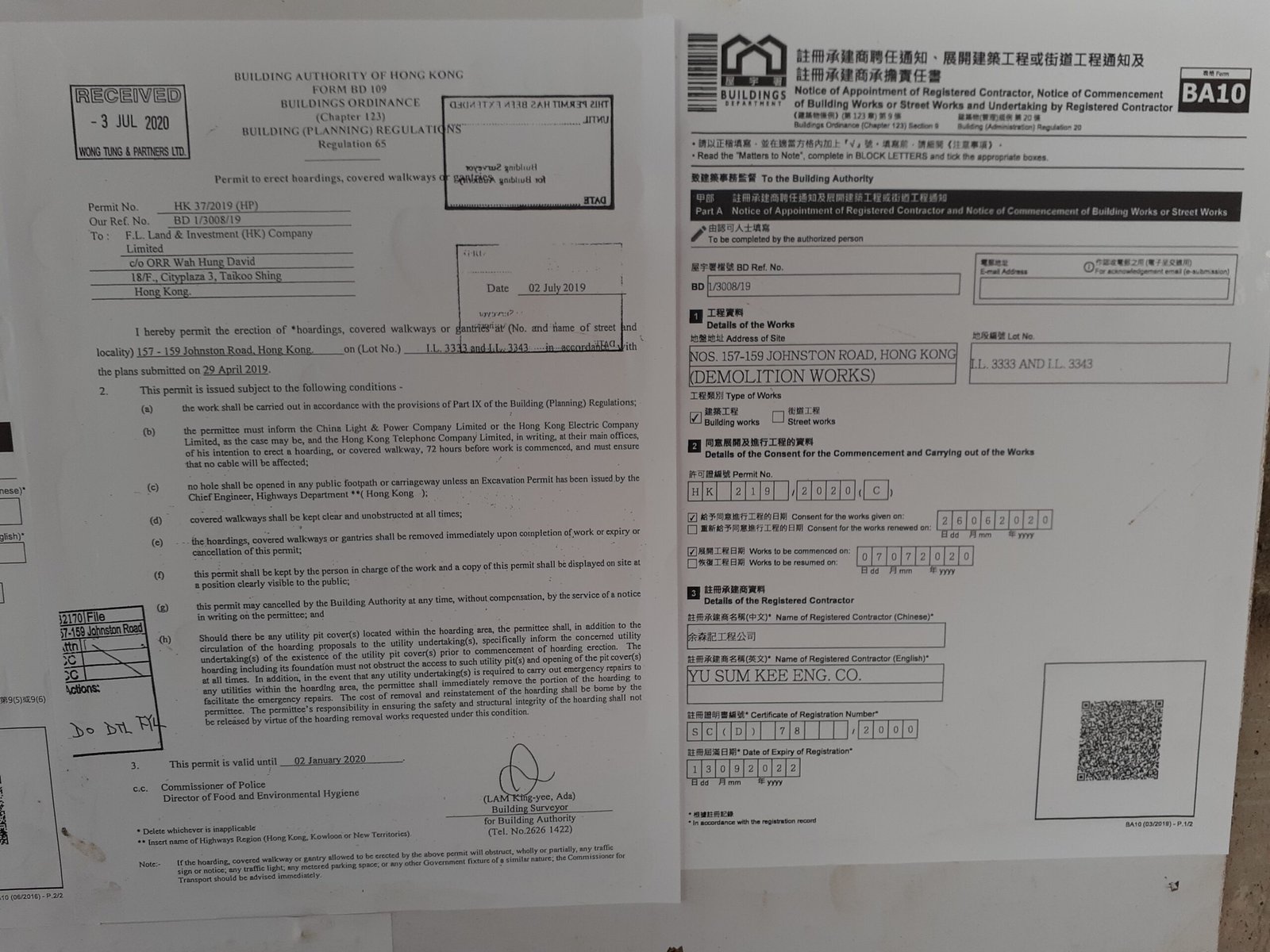
Choosing one point of responsibility is not automatically safe. If the wrong party is selected, the investor may face larger risk because too many scopes sit with a company that is not capable enough. Therefore, it is important to distinguish an integrated contractor from a contractor that is strong only in construction but weak in legal coordination, or strong in paperwork but weak in design and site execution.
A weak point of responsibility often avoids questions about scope, lacks a coordination process, cannot identify legal and technical risks before accepting the job, has limited experience with fire safety or environmental interfaces, or simply says “we will take care of everything”. That sentence sounds comfortable, but the investor should ask: by what process, at what milestones, who checks, and what happens when changes arise?
A reliable point of responsibility does not promise that the project will have no problems. Instead, it explains where problems may occur, what data is needed, which parts depend on the authorities, which parts depend on investor decisions, and which parts can be optimized through design or construction methods. This transparency is more valuable than a simple promise of “fast and complete service”.
The investor should also be careful with integrated contracts that do not clearly define responsibility. If legal support is described vaguely, design is only “based on investor requirements”, and construction is only “according to approved drawings”, conflict will be difficult to manage. A good integrated model needs clear outputs: document lists, drawing versions, approval milestones, construction conditions, acceptance conditions, change procedures and risk reporting.
Before appointing one point of responsibility, investors can use the following checklist:
| Evaluation area | Question to ask | Good sign |
|---|---|---|
| Legal capability | Does the team understand construction permits, fire safety, environment, completion and acceptance? | They can identify the sequence and risks by project type, without absolute promises. |
| Design capability | Does design consider construction, fire safety, environment and operation? | Drawings are not separated from approval, buildability and operation. |
| Construction capability | Does the contractor have relevant factory or building site experience? | They can warn risks from methods, schedule, materials and acceptance. |
| Interface management | Is there a process for changes between legal, design and construction workstreams? | There is a responsibility matrix, decision milestones and document update flow. |
| Schedule management | Can they identify the project’s real critical path? | They separate desired dates from dates that are legally and technically ready. |
| Transparency | Do they clarify what depends on the investor or authorities? | They explain conditions, limits and options when issues arise. |
This checklist is not meant to turn the investor into a technical specialist. It helps the investor ask the right questions before assigning a broad scope to one point of responsibility. A serious contractor will not avoid these questions; they need them to define scope and responsibility more clearly.
For factories, warehouses, auxiliary buildings or renovation projects inside operating facilities, Gova Construction can participate early to help investors review the relationship between construction legal procedures, design, fire safety, environmental requirements and site execution. This early stage is where one correct decision can prevent multiple revision cycles later.
Gova’s approach is not to tell the investor to “hand everything over”. A good project still needs the investor to make timely decisions, provide production data, confirm capacity, set budget and choose priorities between cost, schedule and operation. What Gova can support is organizing that information into a clearer management flow: what needs legal review, what must be reflected in design, what affects fire safety or environment, and what impacts construction method and schedule.
When a company already has a customer order and needs a factory quickly, the value of early consultation often lies in separating “what we want to do now” from “what is ready to do now”. Gova can help the investor review bottlenecks, define priorities, propose milestone-based implementation and warn which decisions may create delay at acceptance or operation stage. This does not reduce the investor’s control; it gives the investor better information for control.
If a business is preparing a new factory, expansion or renovation, the best time to discuss the integrated model with Gova is before the layout, budget and operation date are locked. Once major decisions are fixed, every correction becomes more expensive: through redesign, site variation, and sometimes lost business opportunity.
An industrial project is not delayed only by one drawing, one permit or one contractor. It is delayed when related workstreams are not managed under the same logic. A legal – design – construction main contractor is not the answer to every project, but it is worth considering when coordination risk is greater than the benefit of separating packages.
The key is not to choose a company that “does everything”. The key is to choose a point of responsibility capable of seeing the whole flow, asking the right questions, warning risks early and maintaining accountability across the project. For factory projects, the biggest saving is sometimes not a lower unit price, but avoiding several drawing revision cycles, several weeks of waiting and several late decisions on site.
If a business is facing a fixed operation date, a signed customer order or an expansion plan that cannot be delayed for long, the question should not only be “who can build fastest?”. A better question is: who can help the project move from legal readiness to design and construction through a plan that is realistic, transparent and accountable? That is where an early discussion with Gova Construction can help the investor see the project more clearly before committing to important dates.
This article is for project management orientation and does not replace legal or technical review for a specific project. Applicable requirements should be checked based on location, scale, function, production line, submission date and authority requirements.


