

contact@govacons.com.vn

0938 727 179




Decree 217/2026/ND-CP, issued on 19 June 2026 and effective from 1 July 2026, provides detailed regulations for several provisions of the 2025 Construction Law on construction activity management. For investors and business owners, the practical impact is a clearer framework for construction permit conditions.
A construction permit should not be treated as the last administrative step before breaking ground. It is where land use purpose, planning, architecture, design, fire safety, environmental requirements, infrastructure and construction safety meet.
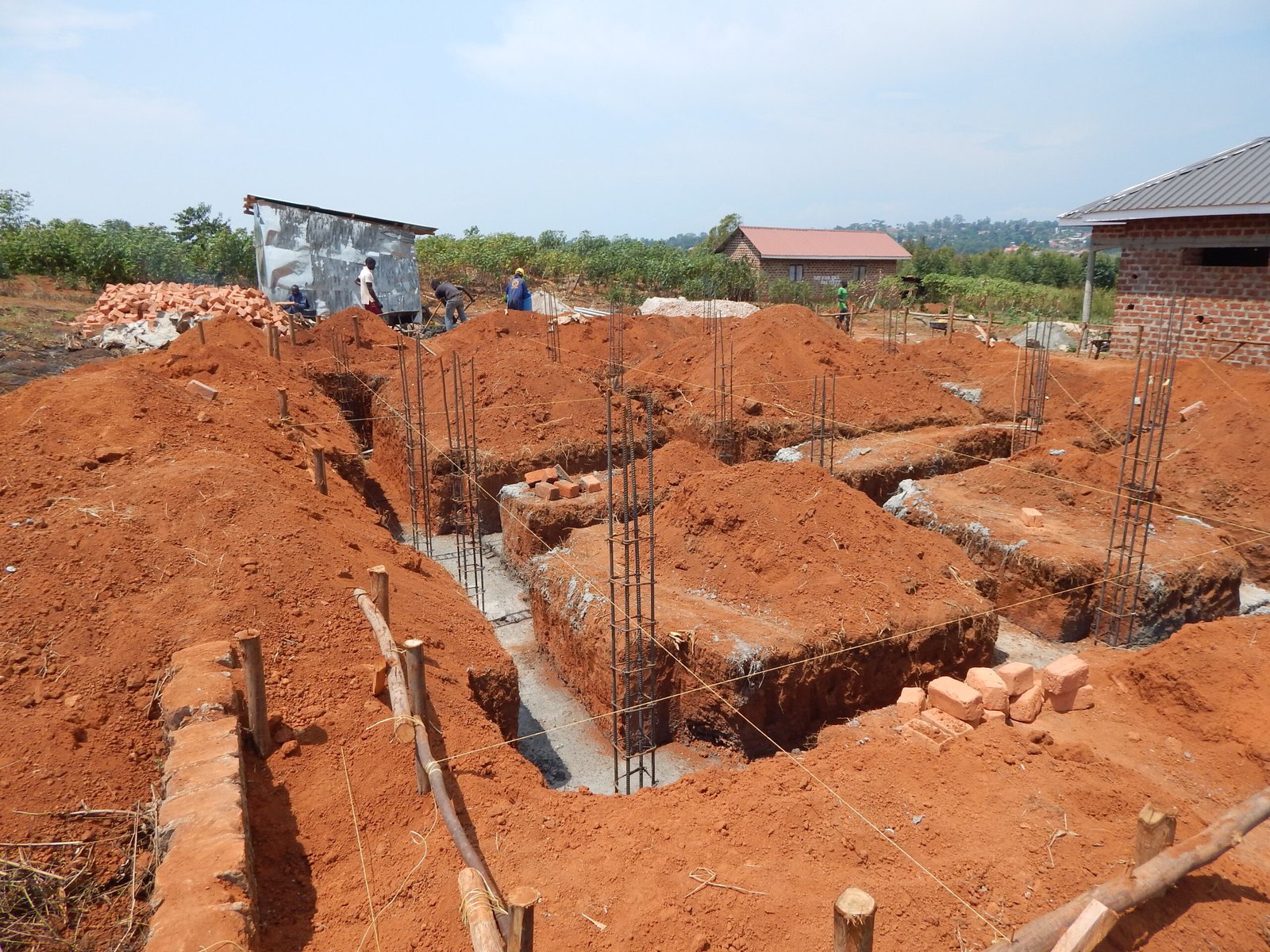
A private house, factory, warehouse, commercial building, agricultural service building, renovation project and relocation project are not handled in the same way. Classification affects the planning basis, design documentation, fire safety requirements, appraisal requirements and reviewing authority.
Having land does not automatically mean being allowed to build any desired function on that land. The proposed construction must be consistent with the lawful land use purpose and relevant land documents. This is especially important for factories, warehouses, service buildings and mixed-use renovations.
Planning is not only density, height, setback and boundary lines. It also includes land-use function, infrastructure connection, traffic access, drainage, architectural rules, protected corridors, heritage or landscape constraints and local controls.
Structural safety, safety of adjacent buildings, environmental protection, fire safety, technical infrastructure and protected corridors should be reviewed before submission. For industrial and public-use projects, fire safety affects layout, escape routes, compartments, truck access, water supply, alarms and smoke extraction from the beginning.
The permit drawings, construction drawings and actual construction should not become three different versions. Investors should check consistency across land documents, architectural drawings, structure, MEP, fire safety, explanations and project data before submission.
Renovation may involve structural changes, increased load, changed use, new escape routes or conversion from residential to business use. If the work changes structure, function, scale, façade, fire safety, environmental conditions or infrastructure, it should be reviewed before construction.
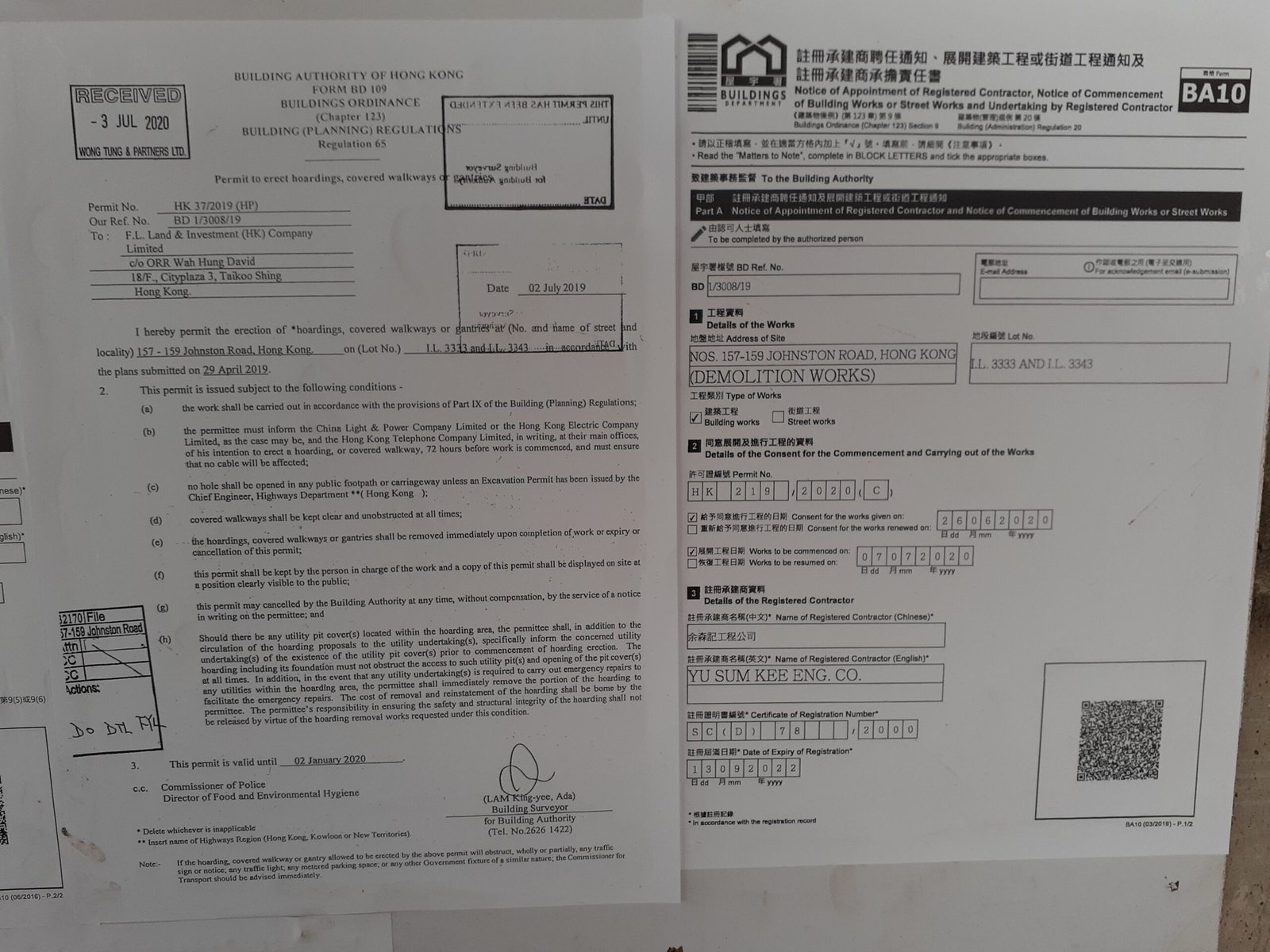
The new framework helps investors detect risks earlier, prepare cleaner dossiers, reduce arbitrary interpretation, improve safety and build a stronger legal foundation for future operation, leasing, financing, insurance and transfer.
| Check group | What to verify | Why it matters |
| Land legality | Land papers, lawful land use purpose, local land-use planning. | The design may be technically possible but legally unsuitable. |
| Planning | Setback, density, height, function, architectural controls and protected corridors. | Wrong planning assumptions lead to repeated revisions. |
| Design coordination | Architecture, structure, MEP, fire safety and project data. | Inconsistent documents create permit and completion risks. |
| Fire safety and infrastructure | Escape routes, access, water supply, technical systems, drainage and surrounding buildings. | Late checks can force layout redesign and delay operation. |
Investors should check land legality, land use purpose, planning indicators, permit type, design consistency, fire safety, environmental issues, infrastructure connection, surrounding building risks and legal schedule before submission.
Govacons recommends treating the construction permit as an integrated project control point, not a last-minute formality. Early legal, planning, design and fire safety checks reduce hidden risks and keep the project on a realistic schedule.
This article is for general reference. Actual submissions must be reviewed according to location, filing date, project type, scale, function, local planning and applicable regulations.


