

contact@govacons.com.vn

0938 727 179



For a factory project, materials are no longer just a line behind the cost estimate.
Owners usually focus first on permits, design, total investment, contractor selection and the handover date for production. In 2026, however, the availability of sand, stone, concrete, steel, fill material and transport fuel can decide whether the project runs on schedule or keeps falling into firefighting mode.
On site, a material shortage rarely feels like one isolated problem. Ready-mix suppliers shorten price validity. Steel quotations change quickly. Crews wait while equipment is already mobilized. Payment claims become harder to agree. Lump-sum contracts become tense, and the installation plan for production machinery may be pushed back.
The owner does not need to become a construction or material specialist. What matters is having a capable contractor, project manager or consultant who can control sourcing, verify suppliers, schedule procurement, prepare alternatives, manage contract risk, check technical compliance and provide clear evidence before asking for decisions.
For factories, material risk is especially sensitive because construction progress is tied directly to production plans. A delay in filling or foundations can delay machine installation, trial runs, recruitment, orders and cash flow. Material control is therefore not a minor procurement task. It is part of investment control.
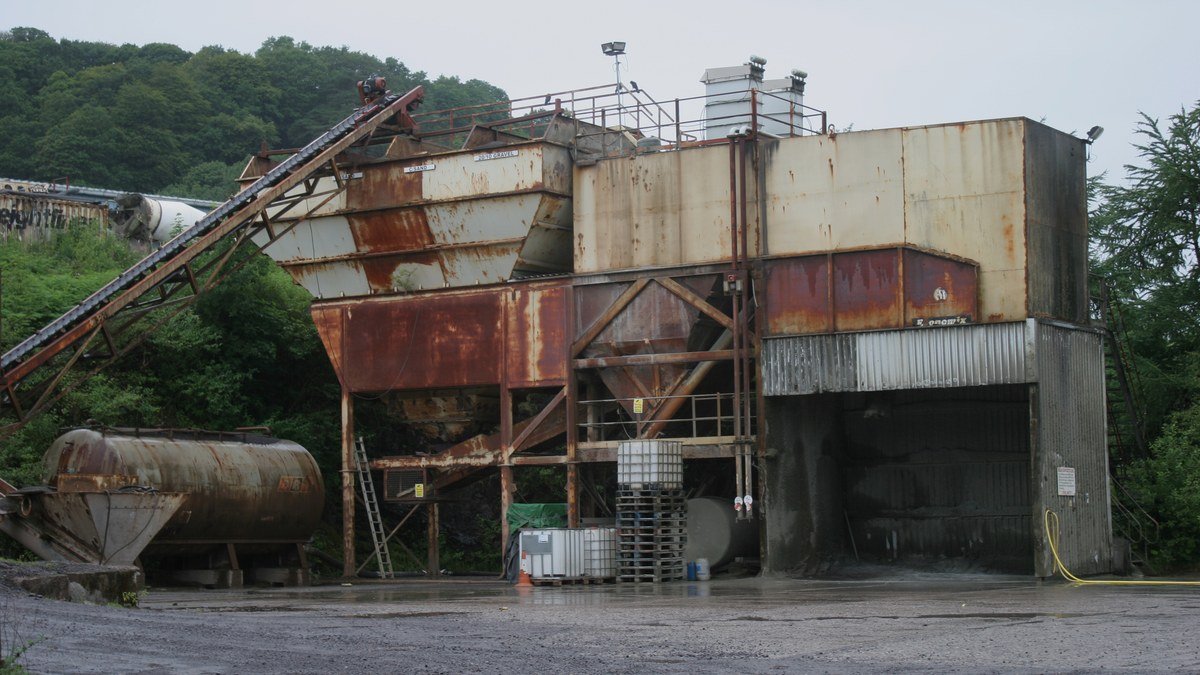
The 2026 supply data points to a wider problem than a few isolated sand pits running short.
According to the Government Portal on 30 July 2026, the Ministry of Construction reported that in the Mekong Delta, 2026 demand still lacked or had not identified sources for more than 6 million m3 of construction stone, about 1.8 million m3 of construction sand for concrete, nearly 30 million m3 of filling sand and more than 3 million m3 of fill soil. For 2027-2030, the gap or unidentified sources were even larger: nearly 36 million m3 of stone, nearly 4 million m3 of construction sand, more than 278 million m3 of filling sand and 35.8 million m3 of fill soil.
These figures do not affect only infrastructure or public projects. They influence the general construction market. When major projects compete for filling sand, stone, concrete and fill soil, local supply capacity is stretched. A factory may be smaller than an expressway or port, but it uses the same quarries, batching plants, transport routes and price environment.
The Ministry also noted that river sand is declining and mining capacity cannot meet schedule demand. Alternatives such as sea sand, imported sand and crushed sand come with cost, technical and environmental constraints. In practical terms, the owner should expect the contractor or consultant to prove material sources with documents, not only with a verbal assurance that supply is available.
In central Vietnam, Ministry of Construction search information also recorded localized shortages of sand and stone in Quang Ngai, affecting key projects. This is a relevant signal for industrial owners: shortages do not spread evenly nationwide. They occur by region, season, transport route and the timing of several projects starting together.
Factory projects also consume materials in large waves. Filling needs high volume over a short period. Foundations and slabs need reliable ready-mix supply at precise dates. External infrastructure depends on weather, trucks and paving windows. If one material link fails, following teams cannot always create useful replacement work.
Unchanged drawings do not guarantee an unchanged construction budget.
According to the Government Portal on 6 April 2026, after a stable 2025 and the first two months of 2026, fuel prices jumped in March. Cement increased by more than 7%, steel by more than 2%, floor tiles by nearly 5%, sand, stone and building bricks by 13.5-23.3%, and asphalt by nearly 32%.
The same source stated that construction cost estimates rose by about 1.91-8.09%. Industrial projects increased the least, but still by nearly 1.91%. If fuel prices increase by 100%, industrial works could rise by nearly 4%. For a factory project worth tens or hundreds of billions of VND, 1.91% is not small. It may equal a supporting work package, part of external infrastructure or the contingency the owner believed was already sufficient.
Structural steel often receives the most attention in a tender. But a factory normally requires significant concrete for foundations, slabs, internal roads, yards, technical trenches, underground tanks and auxiliary buildings. Sand, stone, cement, admixtures, asphalt, bricks, fill material and transport fuel all flow into the final cost. A capable contractor or consultant should identify which groups are price-sensitive, which are schedule-sensitive and which need separate contract treatment.

For factory projects, the risk is not one unit rate increasing. The risk is several key rates rising at the same time while the project schedule cannot simply stop and wait.
Owners should ask the project team to separate three cost movements: market unit rate increases, longer haulage distances when nearby sources are unavailable, and method-related costs such as additional testing, waiting time, resequencing or splitting pours. Looking only at the material unit price can hide the real impact on site operations.
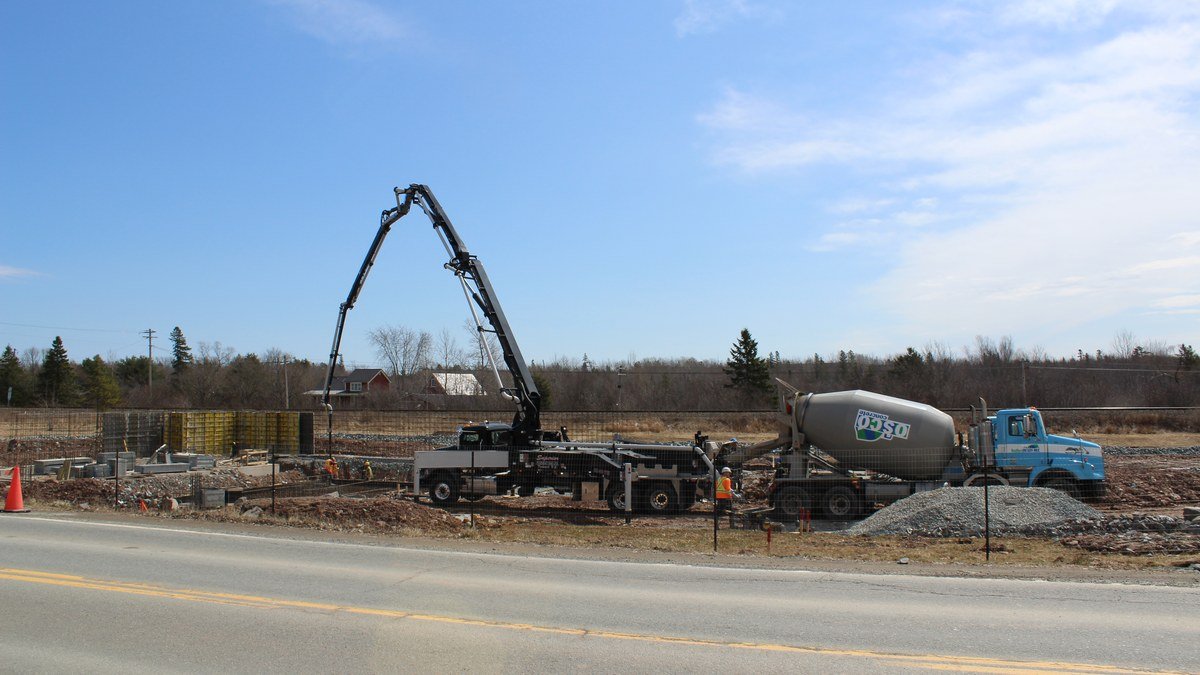
Do not make the owner do the material expert’s job.
The more practical approach is to ask the contractor or consultant which material groups can break the schedule, which can break the budget, and what must be clarified before signing the construction contract.
| Material group | Main risk | What owners should ask the contractor/consultant to clarify |
|---|---|---|
| Filling sand and fill soil | Source shortage, transport delays, longer haulage distance, extra ground treatment if material is unsuitable | Main source, backup source, haulage distance, compaction standard, contingency quantity and supply milestones |
| Sand, stone and cement for concrete | Batching plants cannot hold prices long, shortage of clean sand or aggregate, mix design changes, pouring schedule risk | Concrete supplier, price validity, daily supply capacity, backup batching plant and evidence of capacity |
| Rebar and structural steel | Price movement, short quotation validity, late orders delaying fabrication and erection | Grade, standard, ordering schedule, price adjustment terms, delivery sequence and quality documents |
| Bricks, tiles and basic finishing materials | Fuel-driven price increases, inconsistent samples, slow deliveries delaying finishing | Approved samples, alternative codes, delivery lead time and responsibility for substitutions |
| Asphalt and external infrastructure materials | Strong price increase, weather dependence, paving schedule risk | Scope, working conditions, supply schedule and update mechanism for abnormal fluctuation |
The key question is not only how much it costs. Owners should ask for evidence: how long the price is valid, for what quantity, from which source, what the backup source is, and who carries the cost if the source changes.
Decision rules matter as much as prices. Many projects lose time not because there is no alternative, but because nobody has defined who can approve a substitute source, how fast the response must be, what tests are required and who pays for them.
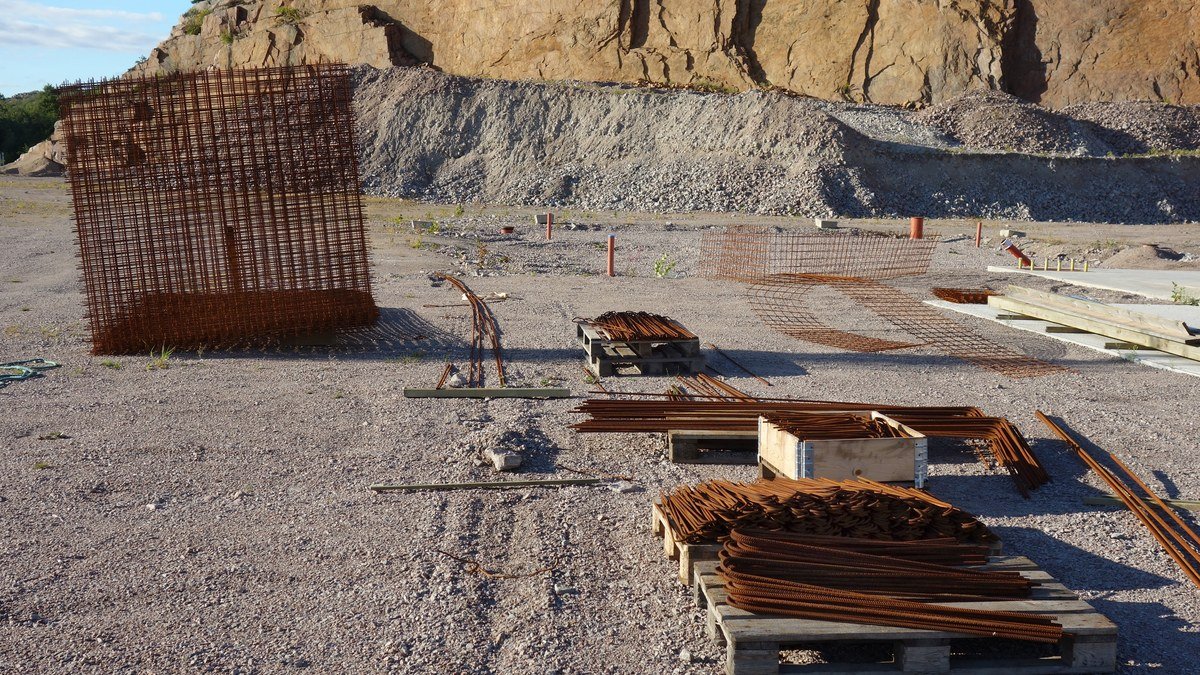
A lump-sum contract can help owners control the budget, but it does not remove market risk by itself.
On 24 March 2026, the Government Portal reported that the Ministry of Construction required local authorities to update and publish material prices in a timely manner, even monthly or sooner when abnormal fluctuations occur. The Ministry also noted lump-sum contracts, fixed unit-price contracts and contingency costs.
Private factory owners often prefer lump-sum contracts because the final number looks easier to manage. But if the scope is unclear, the design is not detailed enough, material sources are not locked and the construction period crosses a volatile market phase, the lump-sum contract can become a dispute point.
The contractor may price a large risk buffer from the beginning, making the tender high. Or the contractor may bid low to win, then face price movement and slow down, request substitutions, ask for adjustments or reduce construction measures. Owners should therefore require bidders to state pricing assumptions, supply sources, quotation validity and escalation treatment clearly.
A good contract does not have to be long, but it must be clear on predictable friction points. When can prices be adjusted? What evidence is accepted? What level of movement is abnormal? If the source changes but the specification is met, how are haulage differences handled? These questions are cheaper to answer before signing.
Published prices are useful reference points. In a tight supply market, they may still lag behind the real buying price at the site.
According to the Government Portal on 9 July 2026, some localities were slow in publishing material prices, and published sand and stone prices did not properly reflect the market. Authorities also required action against hoarding and price manipulation.
Owners should therefore ask the contractor or consultant to maintain a project-specific market data layer, not rely only on a published price table. A safer data layer includes at least three independent quotations for major materials, with price validity, delivery terms, haulage distance, daily supply capacity and waiting costs if the site changes schedule.
This data should be updated before budget approval, before contract signing, before commencement and before large-volume activities such as filling, foundations, floor slabs and internal roads. It does not replace official references or the formal estimate. It helps owners see the gap between reference prices and executable buying prices.
When that gap becomes large, the contractor or consultant should recommend a deliberate response: higher contingency, earlier source locking, resequencing or clearer risk sharing.
An owner prepares to build a manufacturing factory in an area where several infrastructure projects are starting at the same time. The initial budget for site filling is based on sand prices at the survey stage. The concept design is approved, contractors are invited to price, and commencement is planned three months later.
By the time construction is ready to start, the nearby sand source is already prioritized for larger projects. Haulage distance increases, sand prices rise and truck availability becomes unstable. The contractor proposes another source and requests a cost adjustment.
If no backup source, price adjustment principle or testing procedure has been agreed, both sides lose time checking the new source, testing material, adjusting methods and updating the schedule. The damage is not only the sand price difference. The handover of the filled platform to the foundation crew is delayed. Steel and concrete orders must be rescheduled. The equipment supplier that planned machine delivery also has to change timing. If the owner has tenants, orders or production commitments waiting for the new plant, the opportunity cost may be much larger.
Handled early, this situation does not necessarily require buying all material in advance. The owner should require the contractor or consultant to lock the main source, backup source, price adjustment principle, contingency limit and decision milestones. That costs far less than firefighting after the site is opened.
Do not review only the grand total. Ask the contractor or consultant for separate breakdowns of sensitive materials: filling sand, fill soil, concrete, steel, bricks, stone, asphalt and transport-related fuel impact. Then run at least two scenarios: current price and a reasonable increase. The goal is not to predict the market perfectly, but to know how much movement the project can absorb before more capital or scope reduction is needed.
Construction schedules usually show excavation, piles, foundations, structure, roofing, walls, finishing and infrastructure. Behind every activity is a material supply schedule. If the supply plan does not match, the construction schedule is only a wish. Owners should require contractors to show which materials need early orders, lead times, delivery batches and bottlenecks if supply changes.
When materials are short, substitutions will appear. Not every substitution is bad, but every substitution must be controlled. Crushed sand, treated sea sand, another aggregate source, another concrete mix or a different finishing material must be reviewed against technical standards, tests, constructability, warranty and lifecycle cost.
The contract should require early warning when key materials rise in price, become scarce or risk late delivery. The contractor’s notice should include evidence such as updated quotations, alternative sources and schedule impact. This helps the owner decide before the issue becomes an official delay.
Contingency should not sit only in a financial summary. Separate contingency for material price movement, quantity variance, design change and schedule risk. If everything is merged into one amount, it may be consumed by small early changes, leaving no buffer when material prices move sharply.
Once the site is running, material control should not wait for a monthly meeting.
During high-consumption stages such as filling, foundation concrete, floor slabs and internal roads, owners should require weekly updates, and sometimes daily updates for ready-mix concrete.
Short-cycle control helps owners avoid discovering problems too late. If a major pour is due next week and the batching plant lacks aggregate today, the site is already exposed. If this is known three weeks earlier, the contractor can arrange a backup plant, resequence work or split the pour properly and submit the option for decision.
When the budget is under pressure, a dangerous reaction is to reduce material quality or skip checks.
For a factory, this can create long-term problems: cracked floors, localized settlement, damaged internal roads, faster deterioration of auxiliary structures and unstable production operations. Repairing after the plant is operating is usually far more expensive than the initial saving.
Owners can ask the professional team to optimize by reviewing scope, phasing investment, adjusting non-critical finishes, choosing more efficient construction methods or renegotiating supply timing. But they should not compromise on materials that directly affect structure, foundations, operational safety and durability.
During a volatile material market, owners need a team that can build and also warn.
A capable contractor or project manager should not wait until sand runs out to report a risk, or wait until a supplier withdraws a price to suggest action. The statement that the market is moving is not enough; it must be supported by numbers. Professional control means showing remaining quantities, current supply sources, updated quotations, validity dates, schedule impact, substitute options, technical documents and a recommended decision.
With clear data, the owner can choose whether to buy part of the material early, resequence work, approve a compliant alternative, adjust contingency or renegotiate terms.
For factory projects, material supply should be treated as a core project risk from preparation, alongside legal, design, budget and schedule control. A well-controlled site is not simply a site with many workers. It is a site that knows what it will need next week, next month and next quarter.
The 2026 material shortage shows a simple reality: factory budgets and schedules cannot be managed only by drawings and a total contract value.
Owners do not need to become material experts. They do need a contractor or consultant able to control sourcing, verify suppliers, schedule supply, propose alternatives, manage contract risk and provide clear technical evidence.
For factory owners, securing material supply is not only about protecting construction cost. It protects the plant start date, the production plan and business commitments. Gova Construction Co., Ltd. supports factory owners with practical preparation, construction execution and risk control based on transparent evidence.


